The 100-Year Medical Gaslighting Scam That Leaves Modern Families Utterly Defenseless At 2:14 AM
How Big Pharma spent billions to wipe out the "Original Pharmacy" growing wild in your backyard… why relying on the grid during a sudden crisis is a fatal mistake… and the exact blueprint a rogue surgeon used to permanently replace 6 major prescriptions..
It's 2:14 in the morning.
You're torn out of sleep by a sound no parent ever forgets.
Your child. Crying out from down the hall. Not the everyday cry. The other one. The one that goes straight through your chest before your feet even hit the floor.
You run to them.
They're burning up. Skin like a furnace. Eyes glassy and far away. And there's a cough now — deep, wet, rattling — that wasn't there when you tucked them in.
So you do the one thing every single one of us has been trained to do since the day we were born.
You reach for your phone.
And Nothing Happens
No bars. No signal. No dial tone.
You tell yourself: stay calm, just drive to the ER. You grab your keys. You scoop up your child. You throw open the front door —
And you stop cold.
Because whatever happened out there — the storm, the blackout, the thing on the news you didn't take seriously enough — it's worse than they said. The road is gone. Or blocked. Or simply too dangerous to cross in the dark with a sick child in your arms.
There is no 911.
There is no ER.
There is no doctor coming.
There is only you.
And standing there in that doorway, you feel something cold settle into your stomach. Because you realize, all at once, the thing you should have faced years ago:
You have no idea what to do.
Don't Look Away From The Doorway
Stay in that doorway with me for a second. Don't look away from it.
Because that feeling — that helplessness — is the exact thing I'm going to help you make certain you never, ever have to feel.
This Isn't The Apocalypse. It's A Tuesday After The Wrong Storm.
And before you tell yourself "that would never happen to me" — understand this:
I'm not describing the end of the world.
I'm describing a Tuesday after the wrong storm.
A hard winter. A grid that finally gives out. A hurricane that floods the only road into town. An outbreak that fills every hospital within a hundred miles, and a triage nurse who tells you, flatly, to go home and wait.
I'm describing the most ordinary emergency there is.
The moment help isn't coming — and you have to become the help.
The Hard Truth Almost Nobody Will Say To Your Face
And here's the uncomfortable truth almost nobody will say to your face:
Most of us — good, capable, hardworking people who'd lay down our lives for our families in a heartbeat — would be utterly helpless in that doorway.
We'd hold our child and pray.
That used to be me.
And by the end of this short letter, it will never be you.
I Prepped For Everything — Except The One Thing That Mattered Most
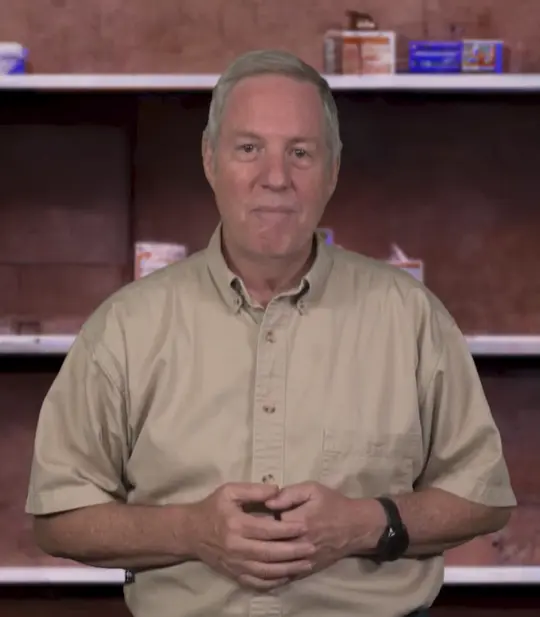
My name is David Miller.
And for most of my life, I had one dangerous blind spot.
I prepped for almost everything. Food. Water. Power. Security. I thought I was one of the responsible ones.
But I'd quietly handed over the single most important thing — my family's health — to a system I just assumed would always be there.
Call the doctor. Drive to the hospital. Fill the prescription. The machine handles it.
The One Question I Never Thought To Ask
It never once occurred to me to ask the only question that actually matters:
What happens when the machine isn't there?
What happens when my wife — who, like me, takes daily medication just to stay healthy — can't get her refill?
What happens when one of us breaks a bone... catches an infection... or comes down with something fast and frightening... and there's no doctor to call?
I had no answer. None.
And the day I admitted that out loud, I made a vow: I'd never be the man standing in that doorway, praying, while the people I love suffered.
What I found while keeping that vow tore down everything I believed about who can keep a family alive when the system goes dark — and handed me something I now keep on my nightstand, an arm's length from where my family sleeps.
I'll show you exactly what it is in a few minutes.
But first you need to understand why you and I were left so defenseless in the first place. Because it was not an accident.
You Weren't Born Helpless. You Were Trained To Be.
The reason you'd be helpless in that doorway isn't your fault. It was done to you.
A hundred years ago, an ordinary American family on a farm knew how to handle a fever, a wound, a broken bone, even a difficult birth. They had to. That knowledge was passed down at the kitchen table like a family recipe.
Then, slowly, it was taken from us.
Not at gunpoint. The modern way — by making us dependent.
There's No Profit In A Family That Can Heal Itself
Think about it. There's no profit in a strong, self-reliant family that can heal itself with a plant from the backyard.
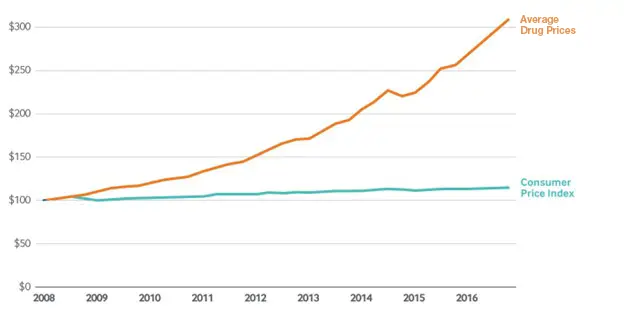
There's enormous profit in a family that believes it can't survive a sniffle without a prescription.
So over a few short generations, we were quietly retrained. Trained to dial instead of act. Trained to outsource. Trained to believe healing is something done to you, in a building, by a specialist, for a co-pay.
We didn't get safer. We got helpless.
I call it the Self-Reliance Gap — the canyon between what your great-grandparents could do at that kitchen table and what you can do tonight if the phone goes dead.
Why Even Most Doctors Can't Save You Here
And here's what should make your blood run cold:
Even most doctors can't close that gap.
Because the modern doctor isn't trained to handle anything. He's trained for one narrow thing. The eye doctor knows eyes. The skin doctor knows skin. Brilliant — and useless the moment your emergency falls one inch outside his lane, with no specialist down the hall to refer you to.
So when there's no doctor... even being a doctor often isn't enough.
There's exactly one kind of physician still trained the old way — trained for when anything can come through the door and there's no one else. I'll tell you who he is shortly.
But first, the second thing they got wrong — the part that changes everything.
The Secret A Powerful Industry Hopes You Never Connect The Dots On
Ask yourself a simple question.
Where do you think the medicines in your cabinet actually come from?
Most people picture a sterile lab. Scientists inventing molecules from scratch.
The truth is almost the opposite.
Almost Every Drug You Take Started As A Plant
The overwhelming majority of modern drugs began as something found in nature. A compound in a plant. A mold. A root. Aspirin came from willow bark. One of our most important heart medications came from a flower. Some of our most powerful painkillers trace straight back to a poppy.
Here's how the business really works:
They find what already works in nature. They isolate the one active piece. They patent that isolated version — because you can't patent a plant growing wild in your yard. Then they sell it back to you, at a markup, with a list of side effects as long as your arm.
The Plant Had It First
Read that again, slowly.
The plant had it first.
The pharmacy is, in a very real sense, just nature — with a patent and a price tag.
Which means the knowledge you were told was "old wives' tales" wasn't quackery. It was the original pharmacy — the source they copied from. And it's still out there. Still growing. Still working. No prescription. No pharmacy. No doctor required.
That's the missing half of closing the Self-Reliance Gap.
You don't need a stockpile of pills that will run out, expire, and only cover the problems you already saw coming.
You need to go back to the source.
And there's exactly one man who spent ten years putting that source back into a form an ordinary family can actually use — when there's no doctor.
The Surgeon Who Walked Himself Off Six Medications — And Lived To Prove It
The man I'm about to describe is a board-certified osteopathic surgeon.
That matters more than you know. Because an osteopathic surgeon is that one kind of doctor I mentioned — trained for when anything can come through the door. Infection. Injury. A baby being born. A heart in trouble. He can't afford to know one thing. He has to know them all.
He's also the doctor who, years ago, quietly ended migraines that had ruled my life for months — using something I'd never heard of, when every other doctor just reached for the prescription pad.
But he didn't start out as the answer. He started out as the warning.
A Man Who Saved Lives For A Living — Quietly Losing His Own
At 50, this surgeon — a man who saved lives for a living — was quietly losing his own. High blood pressure. High cholesterol. Type 2 diabetes. Fifty pounds overweight Six medications just to get through the day. Miss a single dose and he was in danger.
Then Came The Day That Nearly Ended Him
Driving his family to the lake, he hit a moose. The crash gave him a serious head injury — and put him flat on his back as a patient in the very hospital where he performed surgery.
Head injuries can trigger seizures, so they added anti-seizure medication. He couldn't sleep, so they added sleeping pills. The helplessness crushed his spirit, so they added antidepressants. On top of the three he was already on.
A surgeon. Dependent on a fistful of pills he hadn't chosen and couldn't escape.
For a man whose whole identity was built on being the one others leaned on, that dependence was unbearable.
The Vow He Made Walking Out Of That Hospital
So the day he walked out of that hospital, he made the same kind of vow I'd make years later:
Never again.
He read every study he could find. He tested remedies on his own body. And over ten relentless years, he didn't just get off all six medications.
At 63, he's leaner, stronger, and more active than at 40. A cyclist. A windsurfer. Not a single pill.
He didn't just believe nature was the original pharmacy. He bet his own life on it. And won.
Then he did one more thing — the thing that's about to matter most to you.
Three Proven Remedies You Can Use Tonight — My Gift, And My Proof
Before I show you what he built, I'm going to prove the whole idea to you, free, right now — with three real remedies you can use the next time there's no doctor.
When Someone's In Agony: Bay Laurel
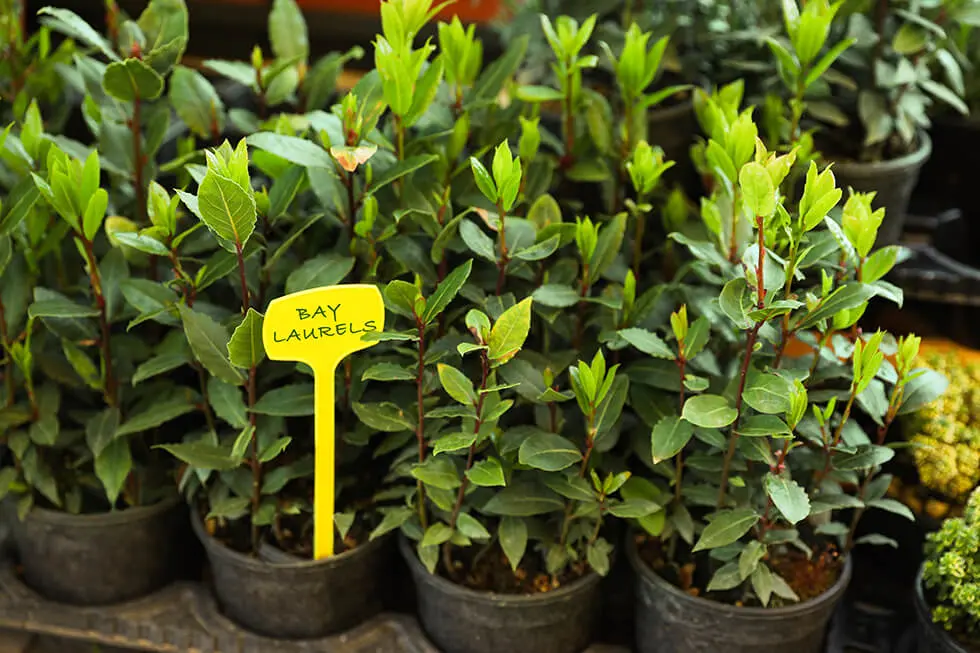
The ancient Romans used it for spasms and sciatica. Modern science backs it: one study found bay laurel oil's pain relief comparable to morphine, thanks to a compound called eucalyptol. You can grow it in your yard.
Use it: Simmer 20–30 leaves in a liter of water for 15 minutes. Soak a towel, wring it out, lay it on the painful area, cover with a dry towel. Re-apply for 30 minutes.
When Infection Sets In And There Are No Antibiotics: Nigella Sativa (Black Cumin)
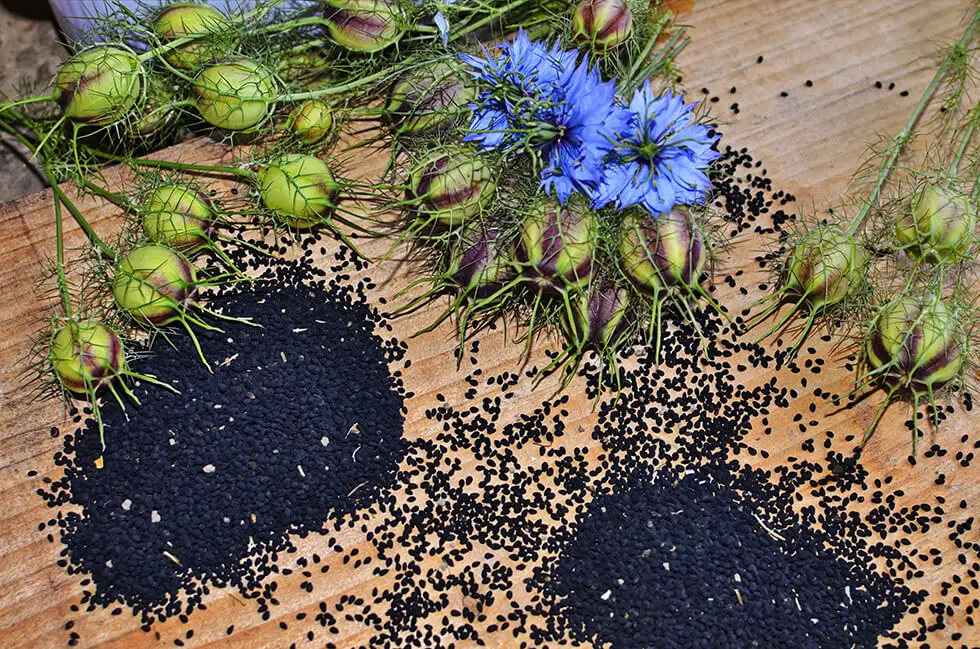
Used across the Middle East for thousands of years. Its compound thymoquinone is powerfully antibacterial — in one study, nigella oil knocked back 97 antibiotic-resistant strains of bacteria. The exact "superbugs" stockpiled pills can't touch.
Use it: One teaspoon ground seeds with one teaspoon honey, twice a day.
When The Pressure Climbs And The Refill Never Comes: Flax Seed
In its landmark D.A.S.H. research, the American Heart Association found daily flax seed helps keep blood pressure in check. Over 25 studies have since confirmed it.
Use it: 30 grams a day — on cereal, in a smoothie, baked into a treat.
Three Emergencies. Three Proven Answers. Now Imagine Having That For Everything.
Three emergencies. Three proven answers. Free, in your hands.
Now imagine having that for every common crisis a family faces when there's no doctor.
That's exactly what this surgeon spent ten years building. And here's what it is.
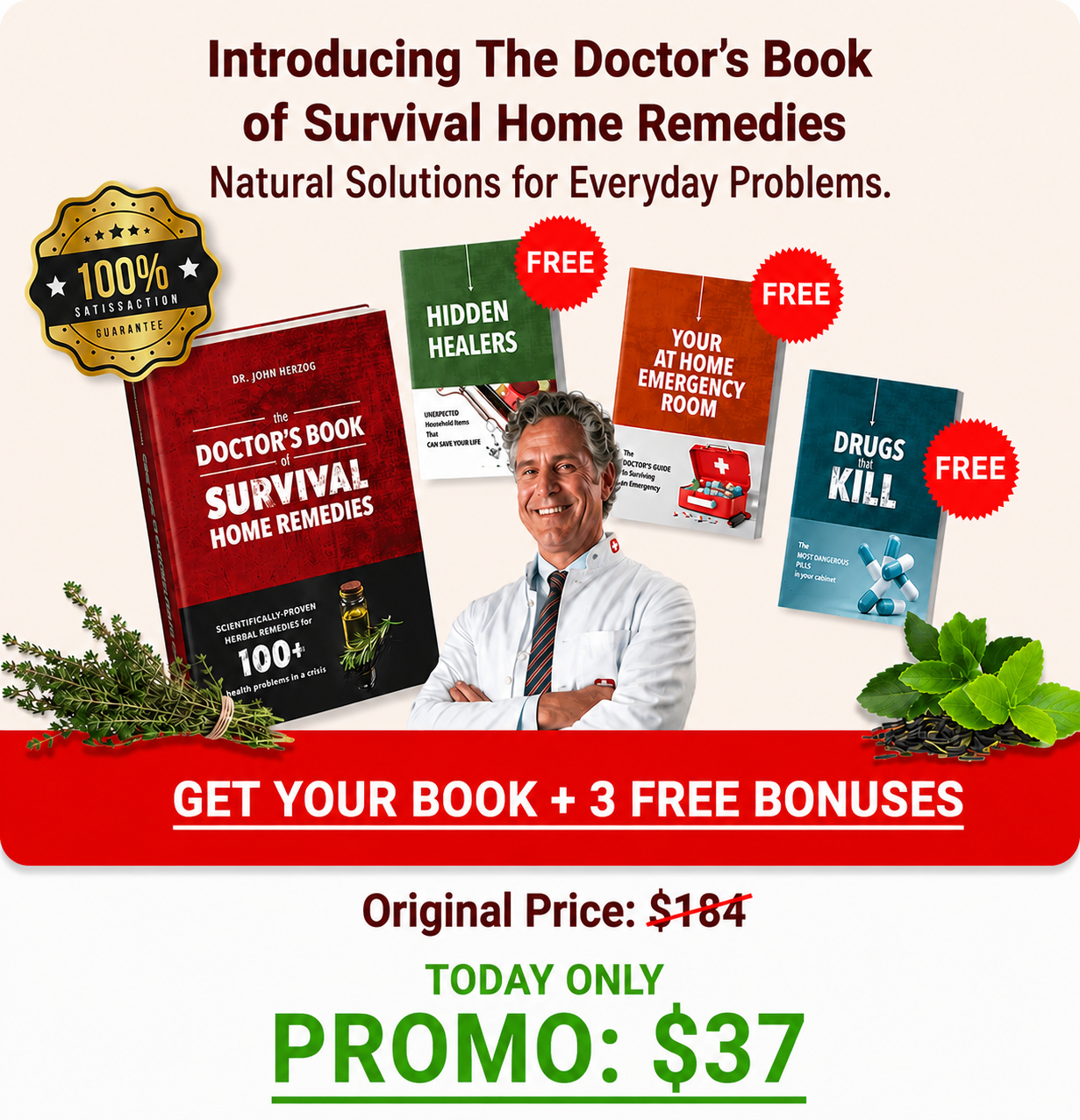
Introducing The Doctor's Book of Survival Home Remedies — by Dr. John Herzog
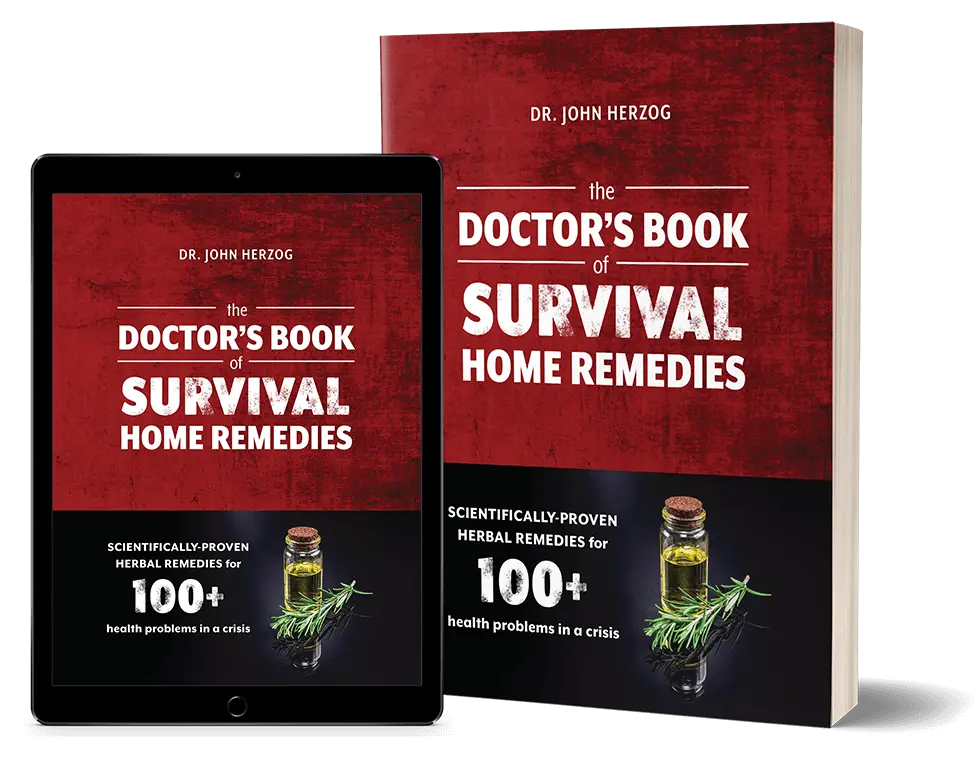
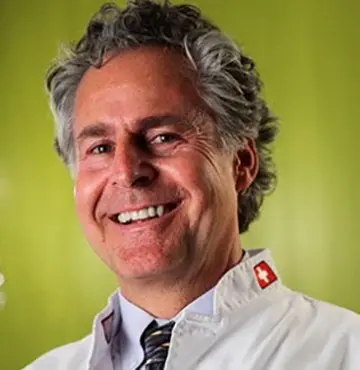
The surgeon's name is Dr. John Herzog. And his ten years of work is now a single 400-page reference — the only complete collection of scientifically proven survival home remedies written by a board-certified surgeon, for the day there's no doctor to call.
Two Ironclad Rules: Backed By Science, And It Has To Actually Work
He had two ironclad rules. One: every remedy is backed by published science — no folklore, no guessing. (He was horrified by "healers" who push remedies like comfrey for wounds, never mentioning it can cause serious liver damage. That doesn't just fail you — it can hurt you.) Two: every remedy has to actually work when it matters — things you can find, grow, or already own, with several backups for every problem, so you're never stuck.
Proven Answers For The 20 Most Common Crises — No Medical Degree Required
Inside, you get proven answers for the 20 most common health crises a family faces when help isn't coming. No medical degree required — just open it, find the problem, follow the steps. A glimpse:
- How to make your own antibiotic from a common fruit when pharmacy shelves are bare
- The backyard plant called "butterfly weed" for the cough, cold, flu, pneumonia, and bronchitis that follow infection
- The hidden infection that kills more people than malaria and breast cancer combined — and the one kitchen remedy that helps your body fight it
- The 3 common survival foods you should never stockpile — they're notorious for food poisoning (page 143)
- The herb that beats activated charcoal for food poisoning — one spoonful in boiling water
- The practice from a tiny Virginia town that helped Americans survive the Spanish Flu — and how to use it against a viral outbreak
- The ingredient for your morning coffee shown to improve blood sugar, cholesterol, and triglycerides in type 2 diabetics (page 111)
- The food a European study found more effective against Alzheimer's than prescription drugs — 1.5 cups a day (page 23)
- The "weed" in your yard that relieves arthritis pain (landmark 2010 study)
- The tree bark that heals acid reflux, heartburn, gas, and IBS (no, not willow)
- How to make a powerful anesthetic at home from two ingredients
- The traditional "burn plant" for everything from a kitchen burn to a wildfire
...and far more than fits on this page. This is the reference you want on your nightstand before the night you need it.
Get It Today And I'll Add 3 Free Reports
(Valued at $29)
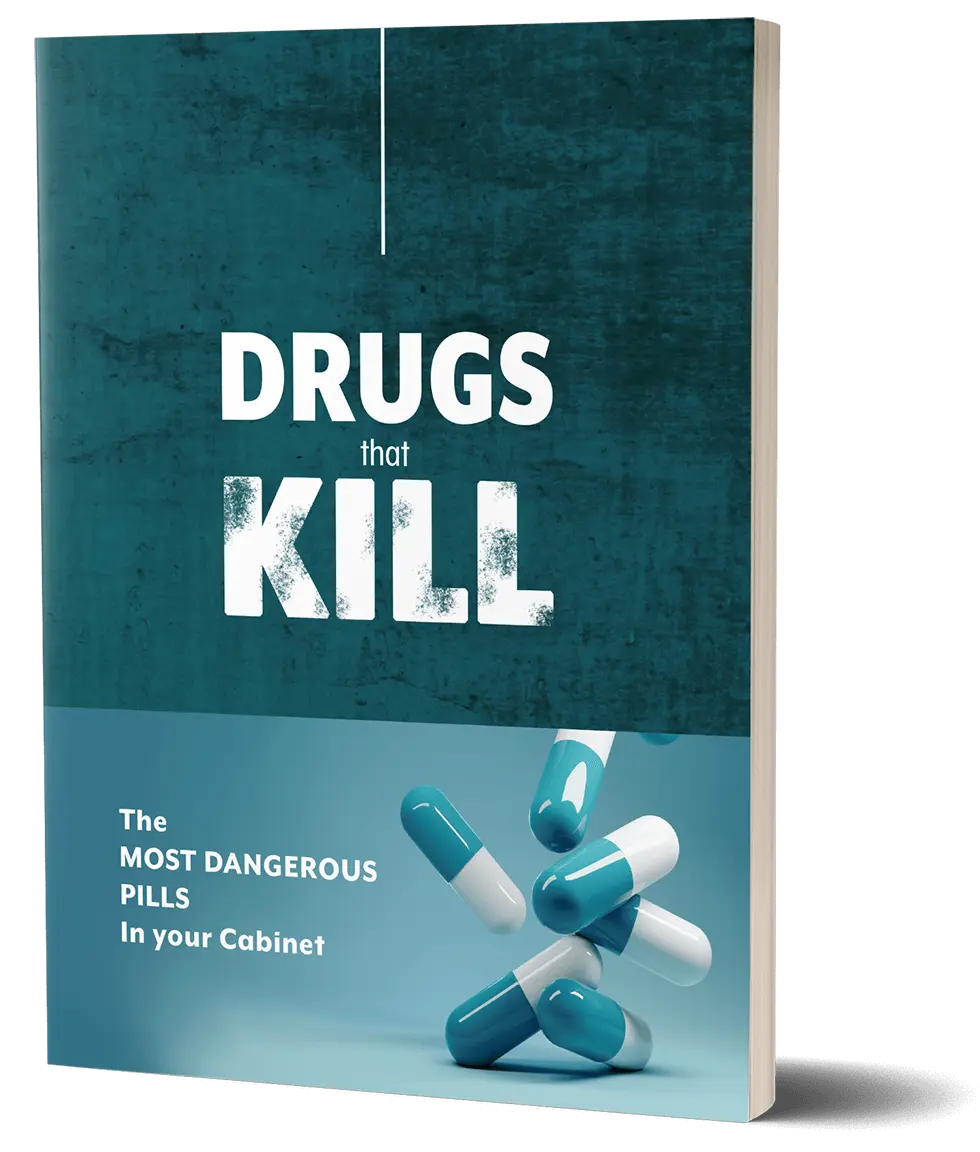
Drugs That Kill
The Most Dangerous Pills In Your Cabinet
The common pills with side effects they'd rather you never connected — plus safer, proven alternatives. (Worth $29. Free.)
(Valued at $29)
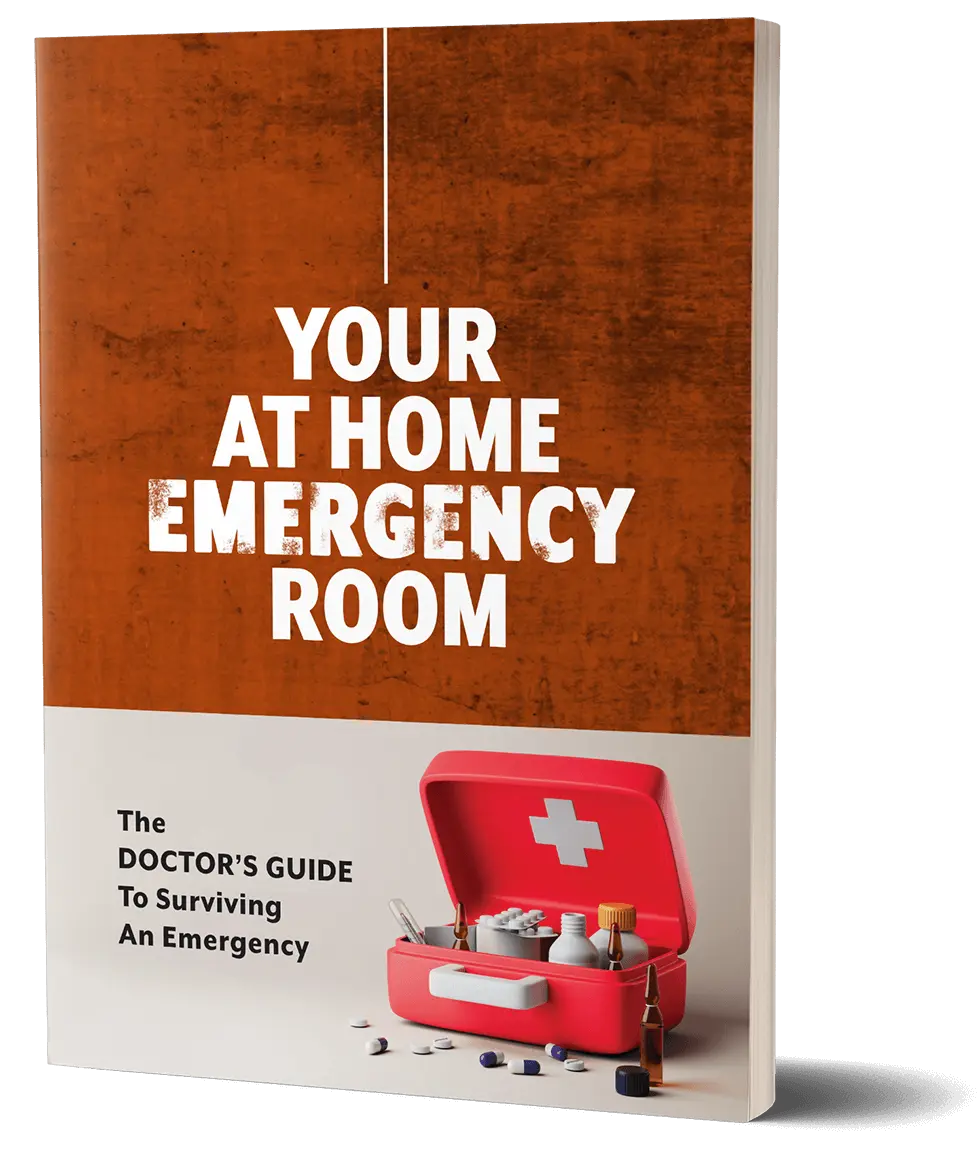
Your At-Home Emergency Room
The Doctor's Guide To Surviving An Emergency
The doctor's guide to broken bones, burns, deep cuts, and back pain from home — when there's no ER. (Worth $29. Free.)
(Valued at $29)
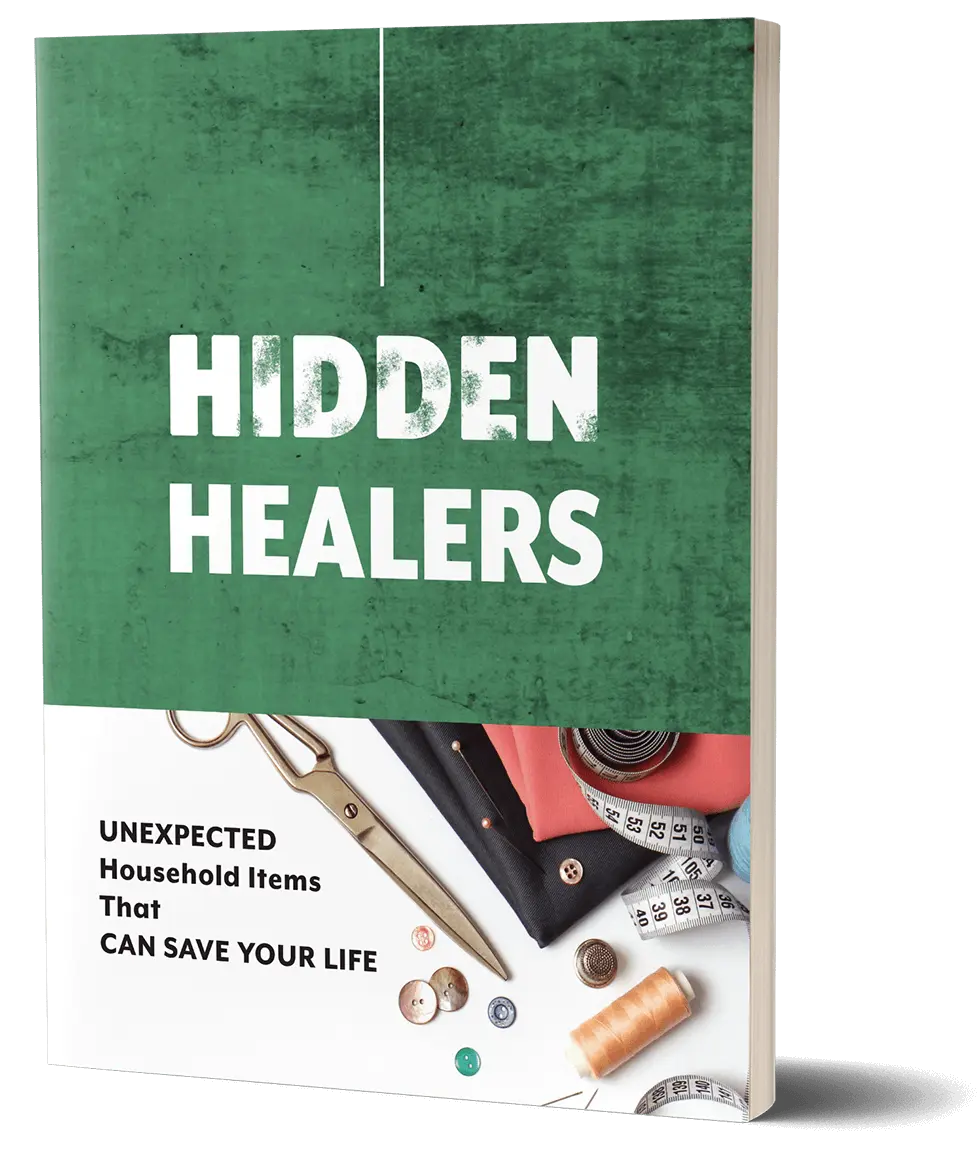
Hidden Healers
Household Items That Can Save Your Life
The everyday items already in your home that can close a wound, pull a stinger, or kill an infection in a pinch. (Worth $29. Free.)
Here's Everything You Get Today
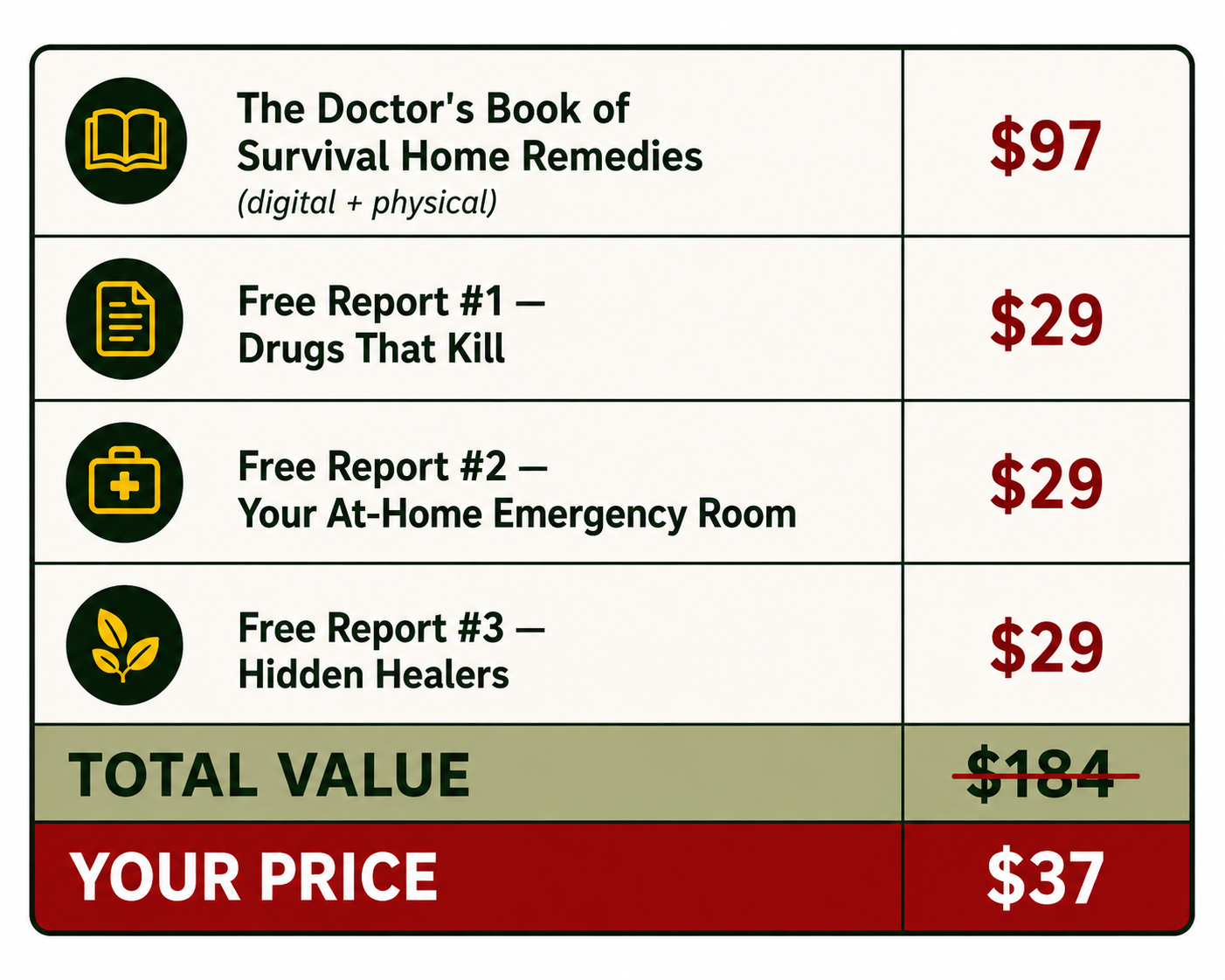
Why $184 Would Be A Steal — And Why You Won't Pay It
A single consultation with Dr. Herzog runs $350, and his slots are limited. This book hands you his entire ten-year war chest. So $184 would be a steal — especially when the average family spends over $5,000 a year on prescriptions, and this pays for itself the first time you reach for a remedy instead of a refill.
But Dr. Herzog made me promise to keep it affordable. So today, you get all of it for just $37.


"But I'm Not A Doctor — Could I Really Do This?"
That fear almost stopped me too. So plainly: you don't need to be a doctor. That's the entire point. Every remedy is laid out in plain English, step by step — what it's for, where to get it, exactly how to use it. Open the index, find the problem, follow the instructions.
And if it sounds too simple — remember the mechanism. This isn't magic. It's the original source the entire pharmaceutical industry has been copying, isolating, and selling back to you for a century. You're just going to the source directly. Backed by the studies.
You Risk Nothing — 60-Day Ironclad Guarantee
Don't take my word for it — prove it to yourself. Get the book. Try the remedies. If you don't believe it's worth ten times what you paid, tell us within 60 days and we'll refund every penny. Keep the digital download anyway. The entire risk is on us.
Yes — I want to close the Self-Reliance Gap for my family.
Send me The Doctor's Book of Survival Home Remedies + all 3 free reports for just $37, backed by the 60-day money-back guarantee.
What Other Families Are Saying
"A great book for people who want to take care of their families. I was a medic in the military and want to stay on top of these things."
"I went through it to see if it would help if the worst happened — and decided it absolutely would."
"Received the book. Love it! I share information from it almost daily."
"Most home remedy books just recycle old information. This one is current and relevant — I open it, find the topic, get exactly what I need."
Picture The Other Version Of That Night
Go back to the doorway. The sick child. The dead phone. The blocked road.
Only this time, your heart isn't pounding with panic.
Because you walk calmly to your nightstand. You open the book you've had for months. You find the page. And you do the thing you already learned how to do — the thing that brings the fever down, fights the infection, gets your family through the night.
By morning, your child is resting easy. And you are the reason.
It Costs $37 And Ten Quiet Minutes To Choose Which One You Become
That's the difference between the two versions of you. And it costs $37 and ten quiet minutes today to choose which one you become.
The time to learn what to do when there's no doctor is not the moment there's no doctor.
It's now. While it's calm. While you still can.
To you and your family being ready — no matter what,
David Miller
P.S. A version of that night eventually comes for almost every family. The only thing you decide today is whether you'll have spent $37 and ten minutes preparing for it — or whether you'll be learning it for the first time with your child in your arms and no doctor coming. You're fully protected by the 60-day guarantee, so the only way to lose is to do nothing.